Open for new clients!
〰️
Located: 7405 Shallowford Road Suite 380B, Chattanooga TN, 37421
〰️
Open for new clients! 〰️ Located: 7405 Shallowford Road Suite 380B, Chattanooga TN, 37421 〰️
Providing evidence-based and neurodivergent-competent mental health counseling for individuals 13 and up as well as families! Available in-person at the Chattanooga office and virtually across the state of Tennessee. I accept insurance!
If you feel lost on where to begin, start here.

If you're feeling overwhelmed by:
your to-do list
your nervous system
your past
your technology use
If you’re tired of:
struggling to seem “okay,” when you feel like you can barely keep up with life
doing talk therapy about your problems just to keep feeling the same way about them
fighting to stay focused in a world filled with endless distractions
Then let me welcome you to Openworld Counseling!

Openworld Counseling may be for you if…
Let me introduce myself!
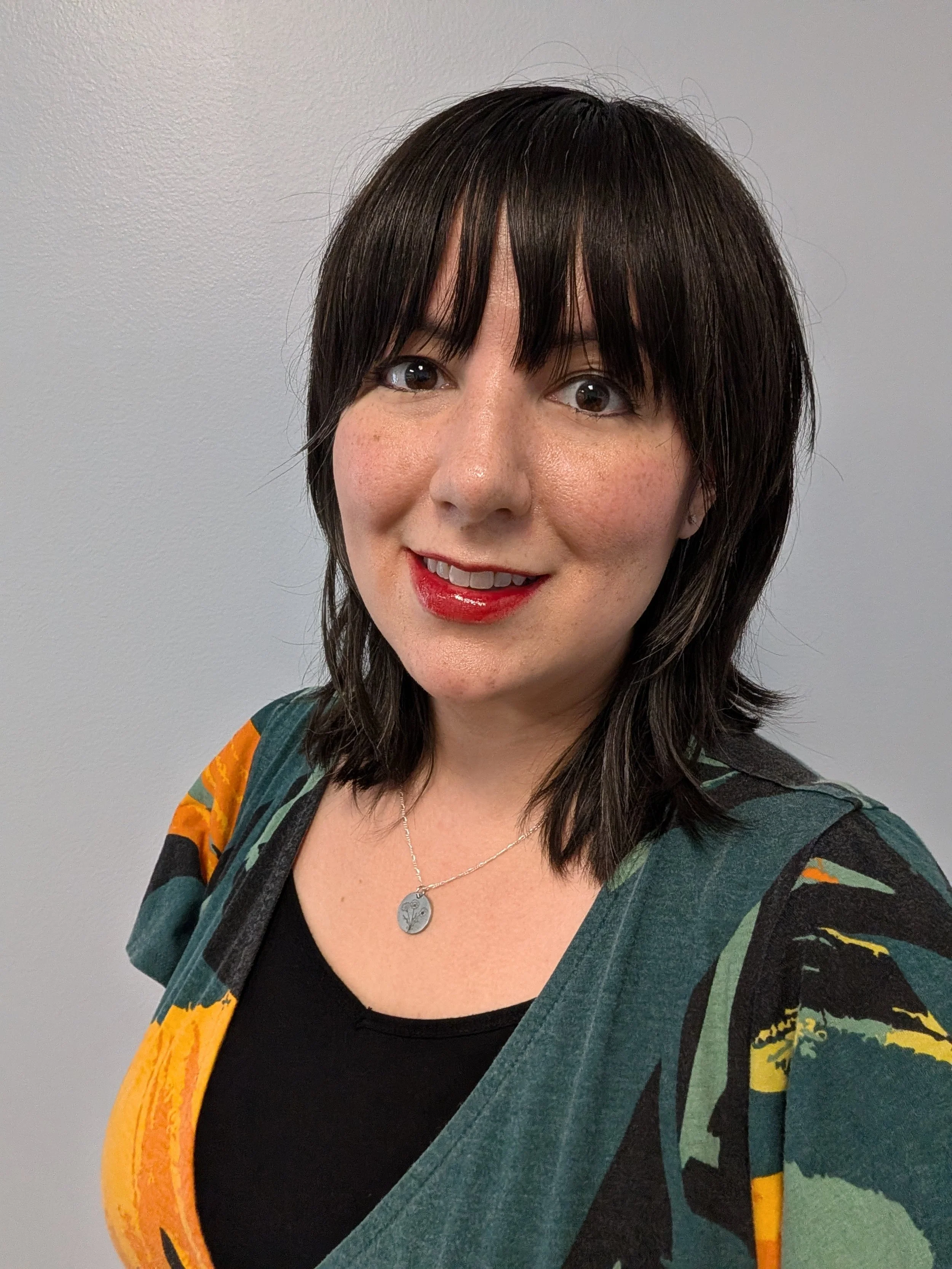
Hi, I’m Brittany Vazquez, LPC-MHSP.
I’m a licenced professional therapist with over 10 years of experience. If you experience:
anxiety
depression
neurodivergence (ADHD/autism/sensory processing concerns)
burnout
or chronic feelings of overwhelm
Then you’ve come to the right therapist!
The types of therapy I provide are:
-
“Acceptance and Commitment Therapy (ACT) is a unique empirically based psychological intervention that uses acceptance and mindfulness strategies, together with commitment and behavior change strategies, to increase psychological flexibility (ACBS)”
Put simply, ACT is about helping you be adaptable to whatever life brings by helping you change your thinking & behaviors, increasing mindfulness, and helping you move towards what matters most to you. If you don’t know what that is yet, ACT can help with that too.
Click here to learn more about the research on ACT and its effectiveness.
-
“Eye Movement Desensitization and Reprocessing (EMDR) is an extensively researched, proven therapy designed to help people recover from trauma and PTSD (EMDRIA).”
EMDR is a structured therapy process that includes 8 steps or phases:
Phase 1: Collect history
Phase 2: Preparation
Phase 3: Identifying the target memory
Phases 4-7: Processing the memory to adaptive resolution
Phase 8: Evaluating treatment results
Phases 4-7 can be summarized as recalling the memory while engaging in bilateral stimulation (e.g. eye movement, tapping) to reduce distress and connect to healthier ways of thinking.
EMDR is different from talk therapy as talking about the distressing memory in detail is not required, only holding your attention on the memory and noticing whatever thoughts, feelings, or sensations come up while engaging in bilateral stimulation.
Click here to learn more about the research on EMDR and its effectiveness.
-
DBT is “a form of cognitive behavioral treatment originally developed to help chronically suicidal individuals diagnosed with borderline personality disorder (BPD)…over time, research has also shown DBT to be highly effective in treating a broad range of other conditions, including substance use disorders, depression, post-traumatic stress disorder (PTSD), and eating disorders. (Linehan Insitute).”
DBT is helpful for people who want more tools to cope with distressing thoughts and feelings and find healthier ways of coping.
Click here to learn more about the research around DBT and its effectiveness.
-
Coherence therapy is based on the the belief that our ‘problems’ are our brain’s best attempt at avoiding a bigger, more overwhelming issue.
“The focus of Coherence Therapy is to:
Help discover what makes these ‘problems’ emotionally necessary,
Identify the unconscious cost of not having these ‘problems,’ and
Find contradictory knowledge that can eliminate the need for such suffering. (Sam Robinson, LCSW-S)“
Coherence therapy doesn’t force you to “think better thoughts,” quit maladaptive behaviors, or stop feeling a certain way but instead gets curious about the why and addresses the root cause!
Click here to learn more about Coherence Therapy and its effectiveness.
-
“Family systems theory views the family as an interconnected unit rather than a collection of individuals. Each person’s behavior, emotions, and choices affect the functioning of the whole system. (IDW, 2025).”
Click here to learn more about the effectiveness of family therapy.
Depending on what the focus of therapy is, it may or may not be covered by insurance. Reach out by email or send a message to learn more.
Outside of sessions, Brittany may be found spending quality time with her family, reading (both personally and professionally), playing video & board games, tending to her aquarium, or planning her next trip to a Renaissance fair.

Services

Individual Therapy

EMDR

Family Therapy

Virtual Therapy

Insurances Accepted